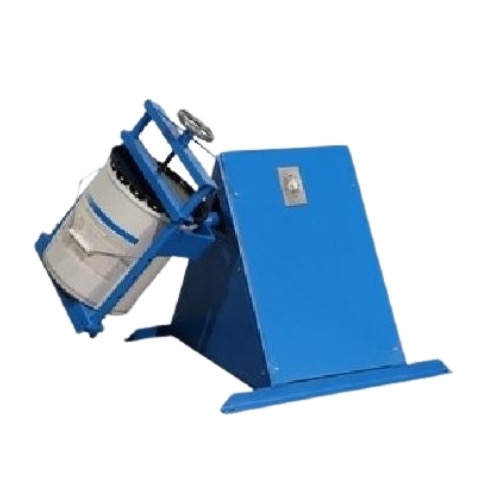
Everything You Need to Know About the Drum Tumbler: The Easy Guide to Industrial Mixing
How to keep your drum tumbler working like new
If you want your machine to last a long time, you must take care of it. Proper maintenance is the best way to avoid expensive repairs. First of all, you should clean the rollers every single week. Because dust and spilled liquids can make the wheels slippery, cleaning is very important. Furthermore, slippery wheels can cause the drum to slide off. This can be very dangerous for anyone standing nearby.
In addition to cleaning, you should check the bolts and screws. Because the machine vibrates a lot, parts can slowly become loose. Therefore, you should tighten them once a month. Here is a quick checklist for your maintenance routine:
- Lubrication: Add oil to the moving parts so they slide smoothly.
- Belt Inspection: Look for cracks in the drive belts. Replace them if they look old.
- Motor Check: Listen for strange noises. A loud grinding sound usually means something is wrong.
- Electrical Safety: Ensure all wires are tucked away and not frayed.
Consequently, a well-maintained drum tumbler will run quietly and safely. If you treat your equipment well, it will treat your business well. Next, let us see which industries use these machines the most.
Real-world examples: Who uses a drum tumbler?
You might be surprised by how many different businesses need a drum tumbler. It is not just for chemical plants. In fact, many common items in your house were probably mixed in one of these machines. For example, think about the juice you drink. Many large food companies use stainless steel tumblers to mix fruit concentrates. Because these machines are easy to sanitize, they are perfect for food.
Another great example is the construction industry. Builders often need to mix large batches of specialized coatings for floors. Instead of using small buckets, they use a drum tumbler to mix 55 gallons at once. This ensures that the color is the same across the whole floor. Additionally, here are a few other industries that rely on this technology:
- Printing: Mixing large batches of ink for newspapers and books.
- Cosmetics: Blending lotions and shampoos so they are perfectly smooth.
- Agriculture: Coating seeds with protective vitamins before they are planted.
- Waste Management: Mixing neutralizing liquids into hazardous waste to make it safe.
"In the world of manufacturing, the drum tumbler is the silent hero. It ensures that every product, from medicine to paint, has the exact same quality in every container."
Therefore, no matter what you are making, there is likely a way a drum tumbler can help. It makes complex jobs feel very simple.
Frequently Asked Questions about Drum Tumblers
Many people have similar questions when they start looking for mixing equipment. To help you out, we have gathered the most common questions here. This section is perfect if you are looking for quick answers.
Can a drum tumbler mix dry powders?
Yes, it absolutely can! However, you should use a rotator rather than a roller for dry materials. Because powders do not flow as easily as liquids, they need the "end-over-end" motion. This motion forces the powder to fall from one side to the other. As a result, the mix becomes very even.
Is it safe to leave the machine running overnight?
Generally, you should never leave industrial machinery completely alone. However, many modern drum tumbler models have timers. You can set the timer for two hours and go do other work. Because the machine will turn itself off, it is much safer. Always check the manufacturer's manual before trying this.
How much weight can a standard drum tumbler hold?
Most standard rollers can handle about 1,000 pounds. Some heavy-duty models can even hold up to 2,500 pounds! But you must be careful. If you put too much weight on the machine, the motor might burn out. Therefore, always check the weight of your drum before you start the mix.
Advanced Troubleshooting: What to do if things go wrong
Sometimes, your drum tumbler might stop working correctly. Do not panic! Most problems are very easy to fix. For instance, if the drum is not spinning, check the power cord first. It sounds simple, but many people forget this step. Next, check the drive belt. If the belt has snapped, the motor will spin but the drum will stay still.
Moreover, if the drum is wobbling, it might not be centered. Stop the machine immediately. Then, adjust the drum so it sits perfectly in the middle of the rollers. Because an off-center drum can damage the bearings, you must fix this right away. Finally, if the motor feels too hot, let it rest. You might be running the drum tumbler at a speed that is too fast for the weight of the liquid.
The Future of Drum Tumbling Technology
Technology is always changing. In the future, the drum tumbler will become even smarter. We are already seeing machines that connect to the internet. This allows managers to check the mixing progress from their phones! Additionally, new motors are becoming more energy-efficient. This means businesses can save money on electricity while still getting a great mix.
In conclusion, the drum tumbler is an essential tool for any modern factory. It solves the problem of messy, slow, and dangerous mixing. By rotating materials inside their own drums, businesses save time and keep their workers safe. Whether you are mixing paint, food, or chemicals, this machine is a smart investment. If you want to learn more, check out the resources below.
External Resources and Useful Links
If you would like to see specific models or read technical manuals, please visit these helpful websites:
- Morse Drum Official Website - The industry leader in drum handling equipment.
- OSHA Safety Guidelines - Learn how to stay safe while using industrial mixers.
- Manufacturing.net - Stay updated on the latest factory technology news.