01
Industrial Equipment Importers
Source drum tumblers adapted to local electrical supplies, industrial operating requirements and customer applications. We can discuss repeat supply, technical documentation, packing and export coordination.
Private Label Drum Mixing Equipment | Custom Engineering | Wholesale & Distributor Supply
Build your drum mixing equipment range with a manufacturer that supports both established designs and application-specific engineering.
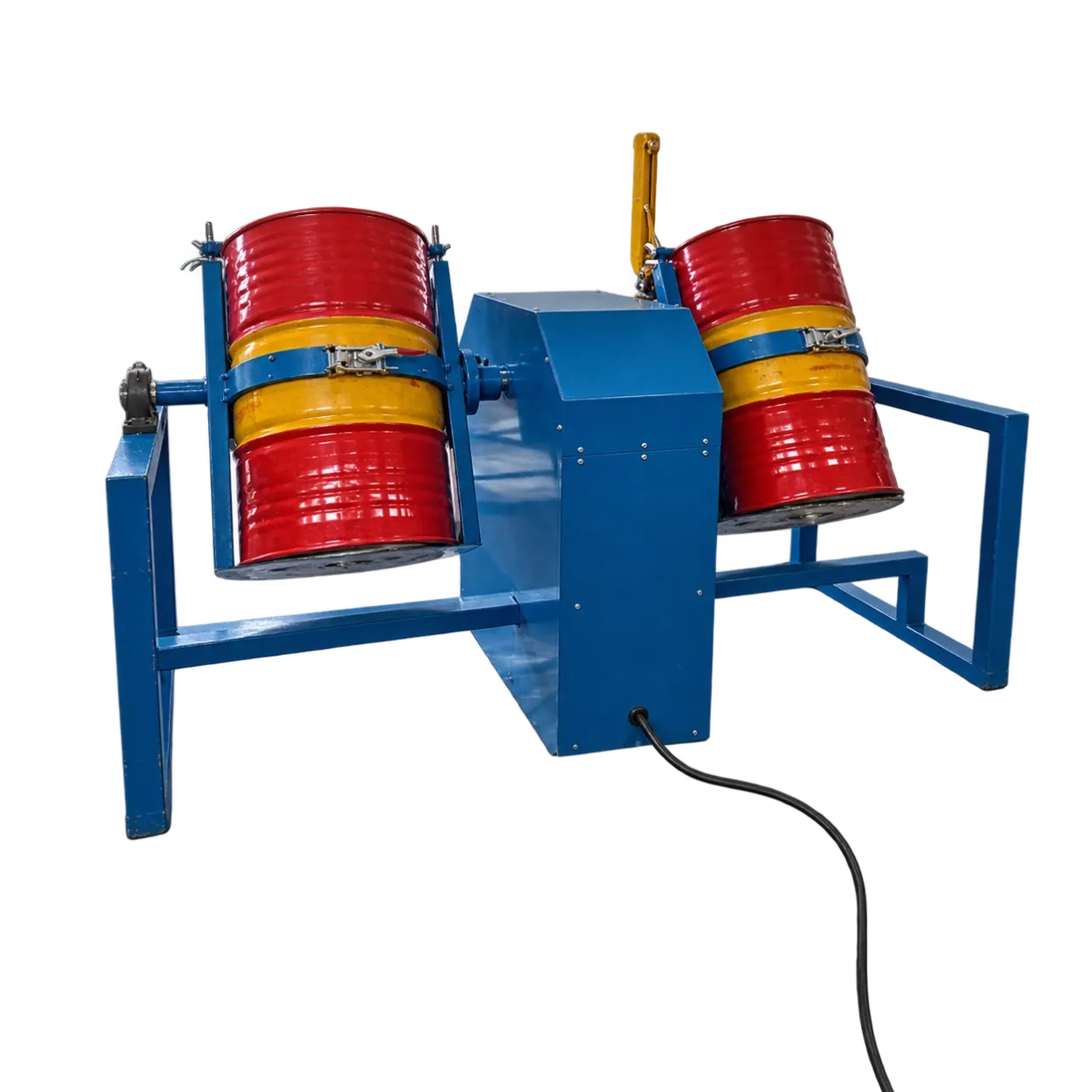
DrumTumbler works with industrial equipment brands, importers, distributors and wholesalers seeking single-drum tumblers, double-drum tumblers, pneumatic drum mixers, enclosed systems and custom multi-station configurations.
Whether you need your own branding on an existing machine configuration or a new drum handling and mixing arrangement for a specific market, we can review your requirements and develop a technical proposal. The scope, minimum order quantity, compliance documentation and commercial terms are confirmed for each project.
OEM vs. ODM: Which Manufacturing Model Fits Your Business?
Have an established design, equipment specification or preferred configuration? Our OEM manufacturing service is intended for buyers who want machines produced to agreed technical requirements.
Depending on the project scope, options may include customer branding, exterior finish, nameplates, control-panel language, power supply and documentation. OEM supply is based on reviewed drawings, approved specifications, manufacturing feasibility and a mutually agreed quality plan.
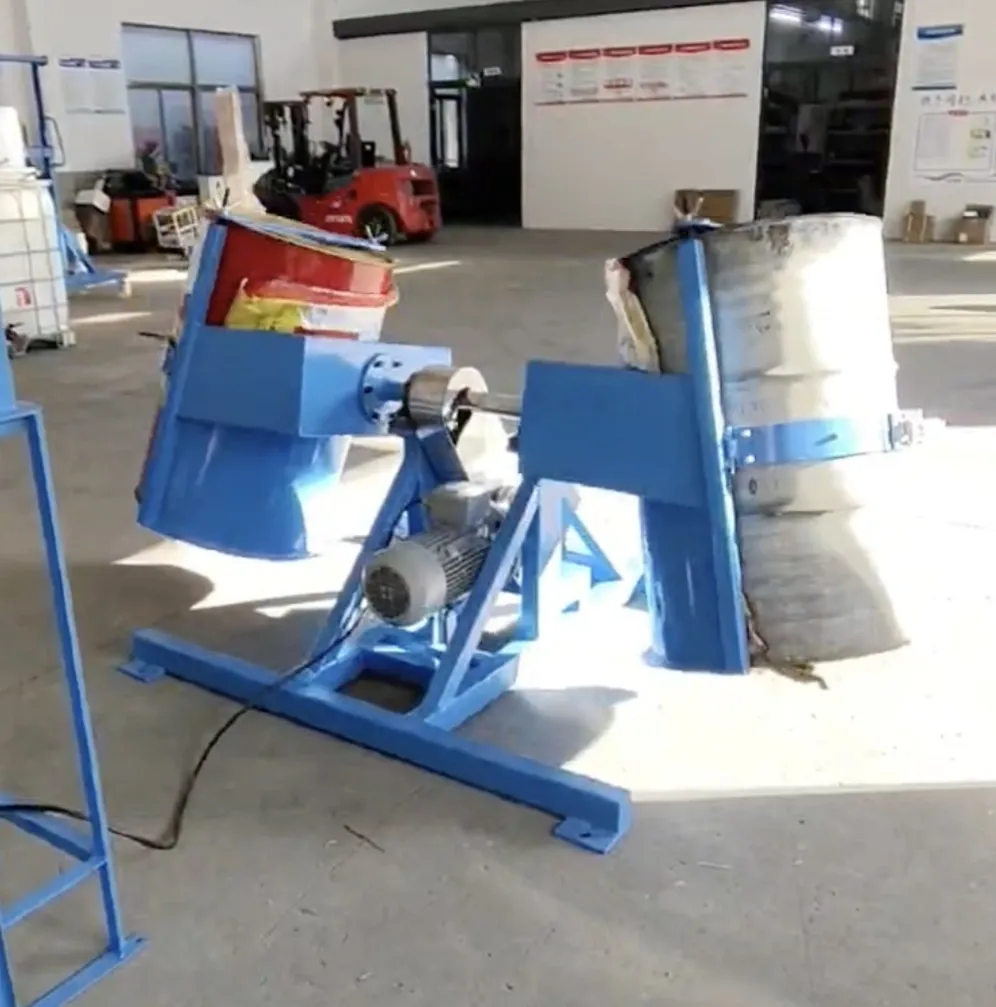
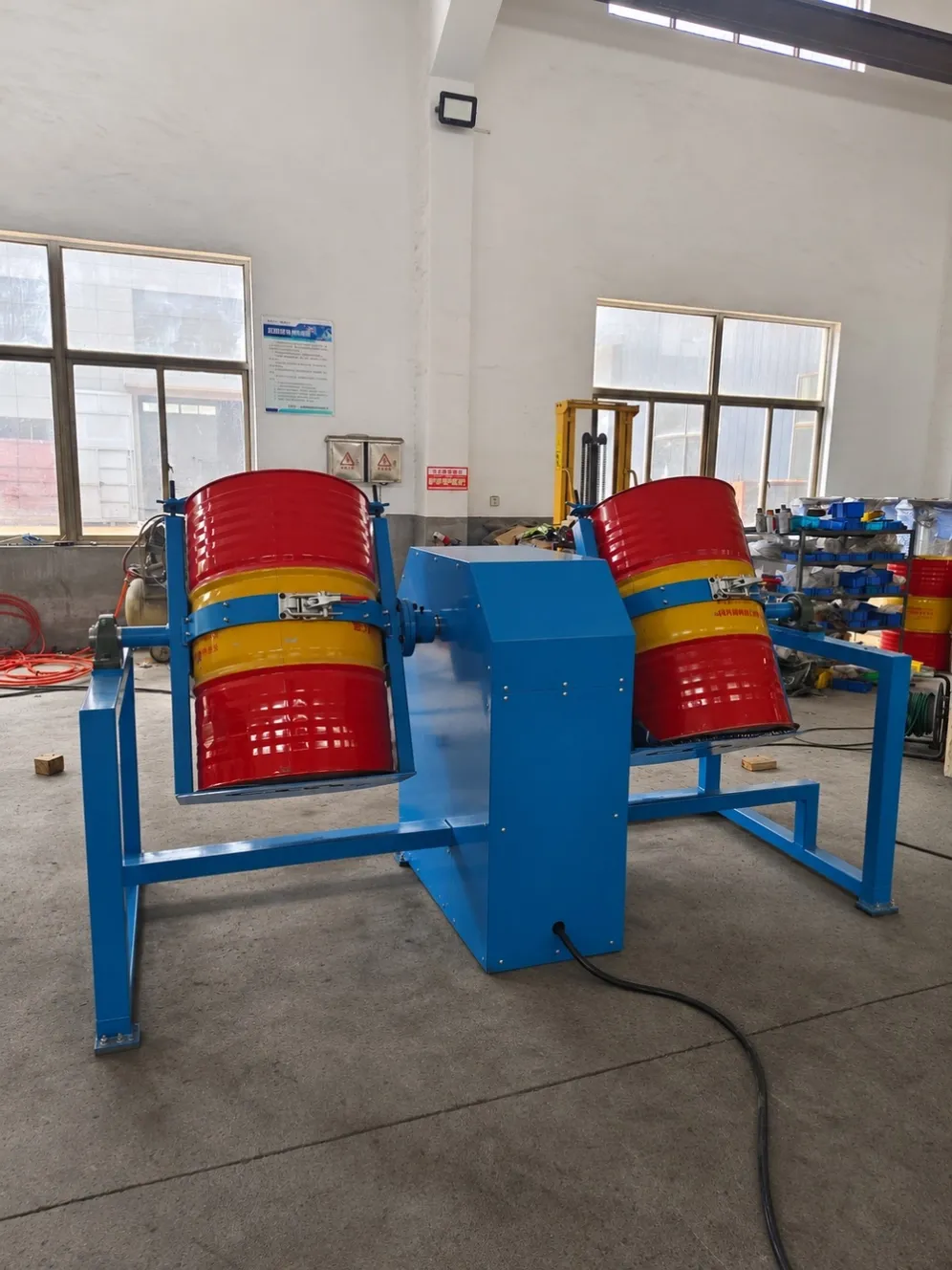
When you share drawings, specifications or branding for an OEM or ODM drum tumbler project, they are used only to build your equipment. Ownership of drawings, branding and any project-specific intellectual property is addressed in the contract.
Customer drawings, logos, nameplate artwork and packaging designs remain the customer's property. They are not reused for other buyers, and project files are handled according to the agreed contract terms.
If a project needs confidentiality arrangements before drawings are exchanged, raise this when the inquiry is submitted, so document handling can be agreed before engineering work begins.
Need to develop a drum tumbler for a container or operating process that is not covered by a standard configuration? Our ODM approach begins with the application: drum shape, load, contents, mixing motion, drive type, controls, guarding and intended destination market.
We can review whether to adapt an established machine platform or design a purpose-built drum holder, drive layout or control arrangement. Drawings, prototype needs, testing criteria and approval milestones are agreed before manufacturing.
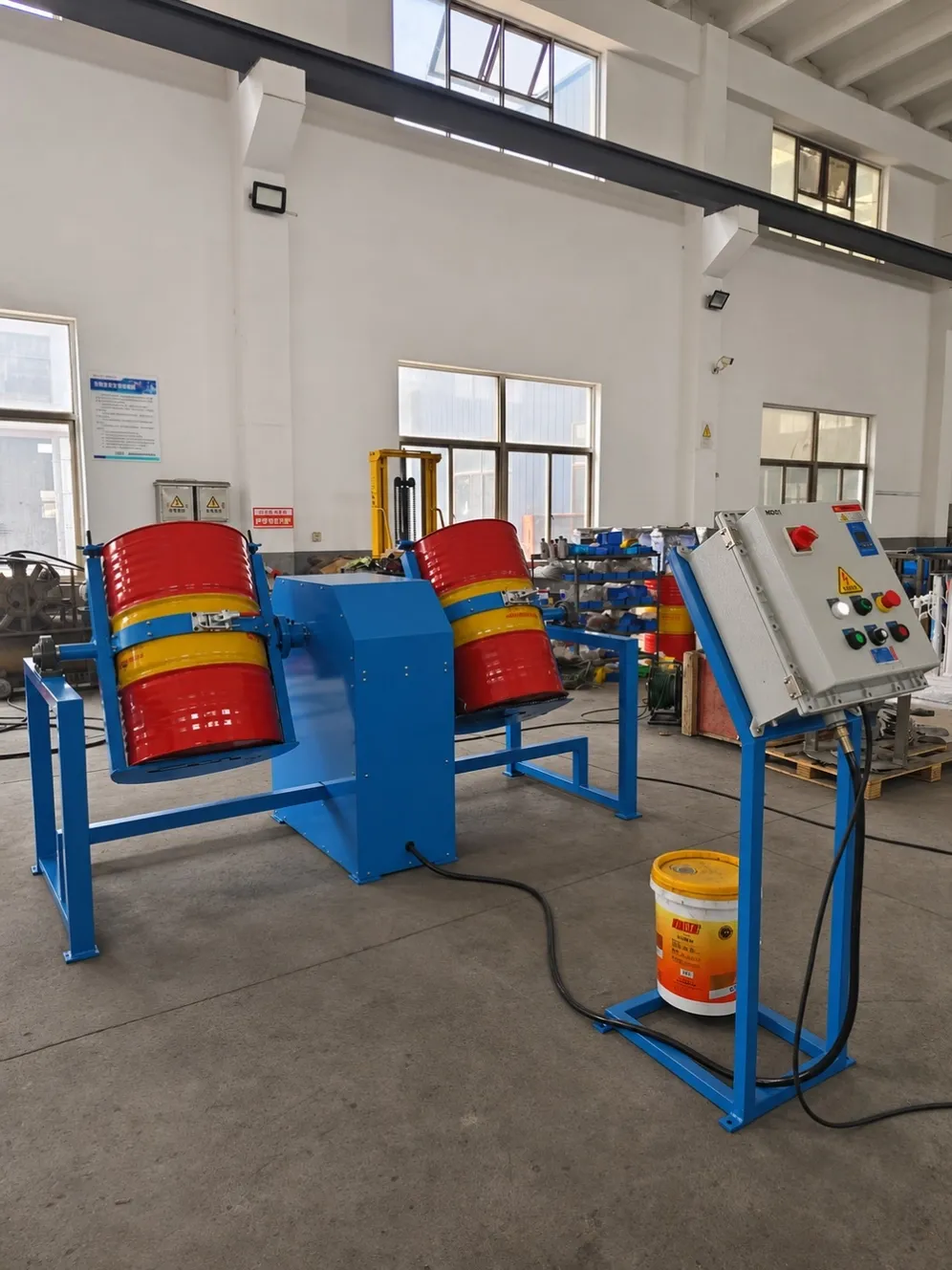
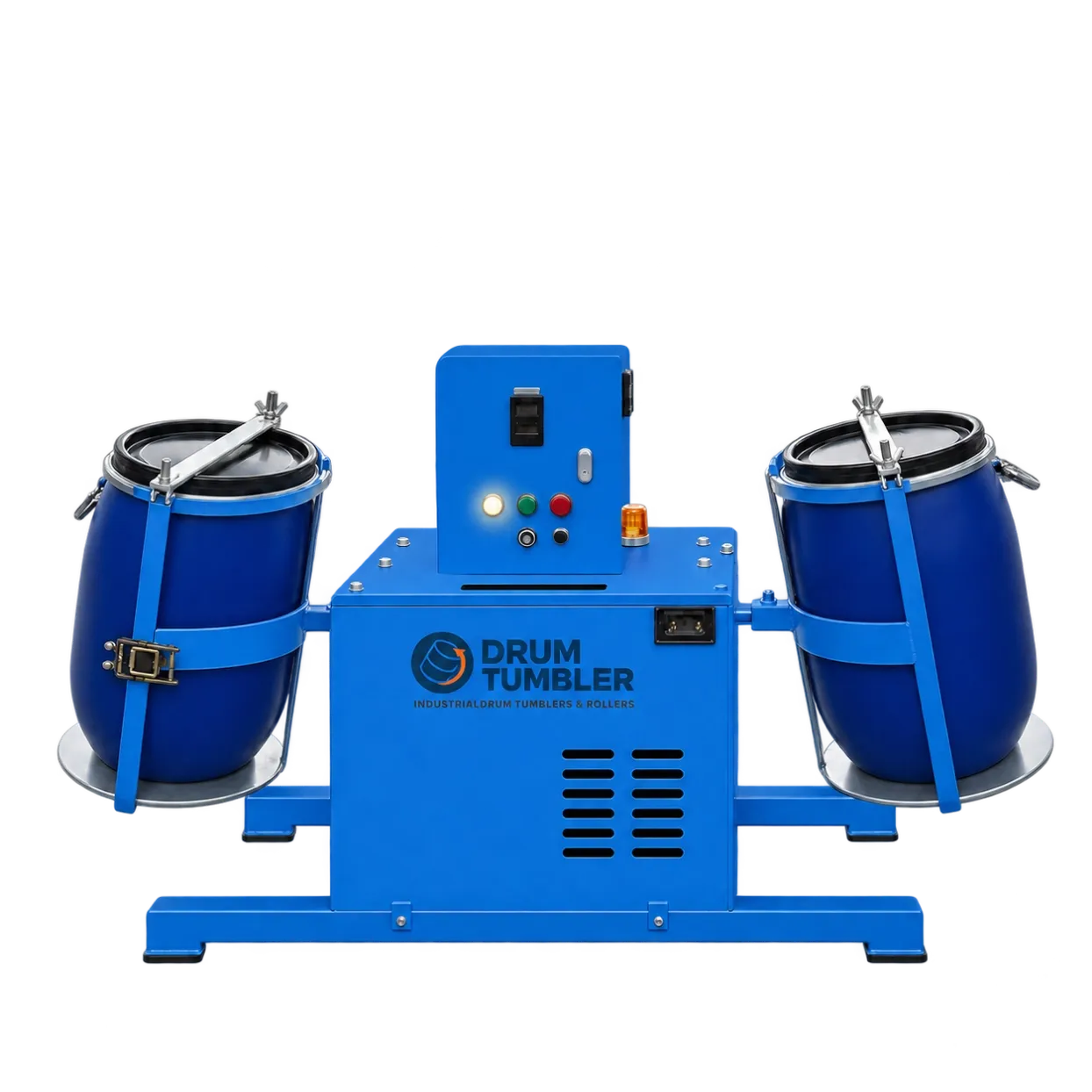
For distributors and equipment brands, private-label cooperation can be evaluated for selected configurations. Possible branding elements include logos, product nameplates, colors, packaging artwork and user documentation, subject to project approval and applicable identification requirements.
Wholesale supply can cover repeat orders of agreed machine configurations. Order quantities, unit pricing, lead times, spare-parts packages and market-specific support are quoted according to the requested scope. There is no universal MOQ or guaranteed lead time across all configurations.
Source drum tumblers adapted to local electrical supplies, industrial operating requirements and customer applications. We can discuss repeat supply, technical documentation, packing and export coordination.
Extend an existing machinery range with drum tumblers manufactured to approved specifications and your branding requirements. Product identity, nameplate details and documentation are defined before production.
Build a range of single-, double- and custom drum mixing equipment for your regional customers. Discuss market coverage, spare parts, training materials and after-sales responsibilities as part of a supply agreement.
Work with us on special drum clamping, control, guarding and drive requirements for an industrial process or a larger production system. Interface dimensions, operating sequences and acceptance criteria should be established during technical review.
Rather than quoting one fixed specification for every customer, we configure the equipment around the actual container and production requirement.
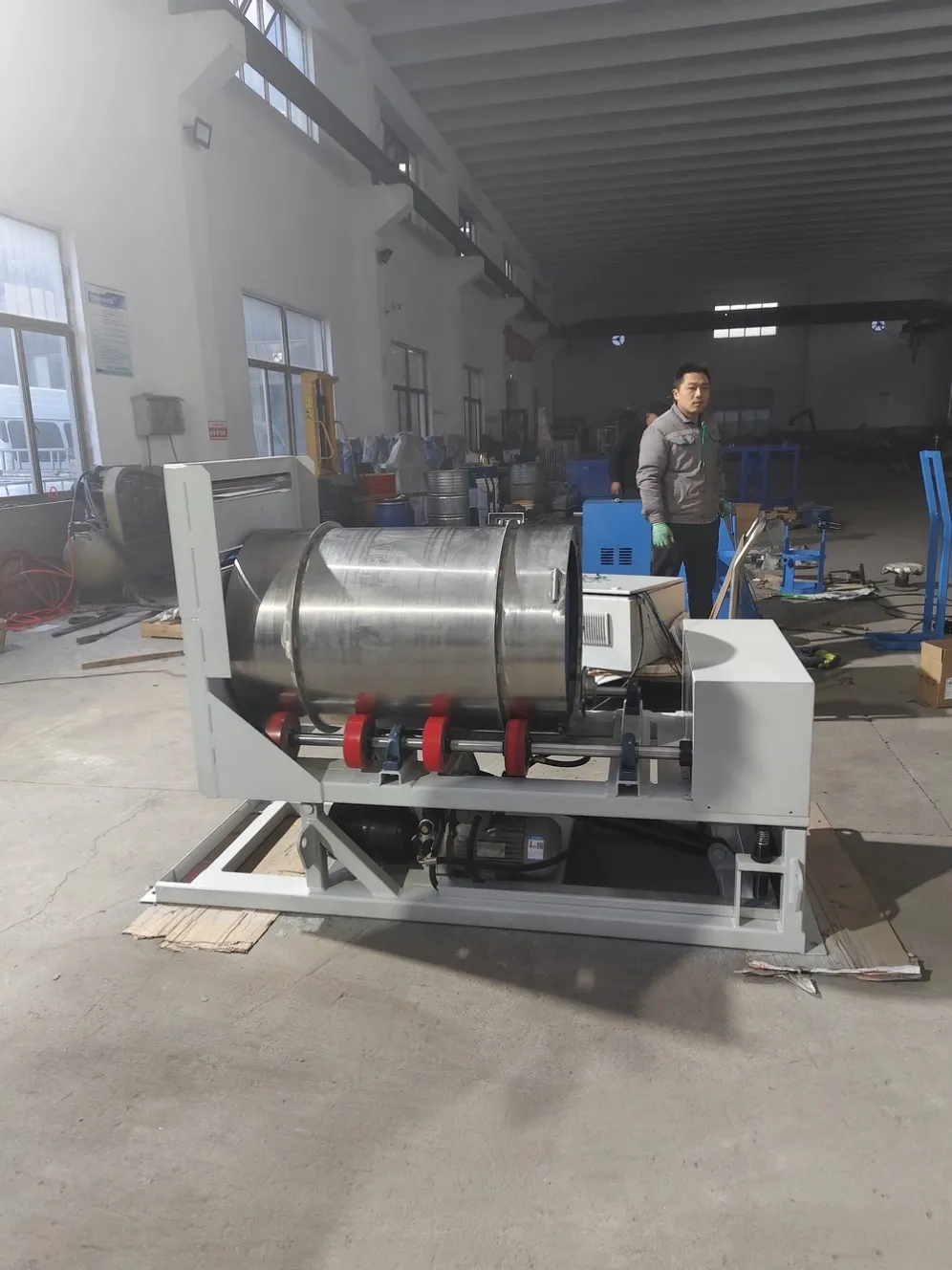
Single-drum, double-drum, enclosed, multi-station and purpose-built arrangements for compatible pails, jerrycans and drums; fixture fit is verified against actual container dimensions.
End-over-end / corner-over-corner tumbling, with other movements where the selected design supports them; electric and pneumatic drive configurations.
Speed adjustment, timing, direction selection and project-specific PLC/HMI functions, with custom supports, clamps and retaining mechanisms to hold the drum.
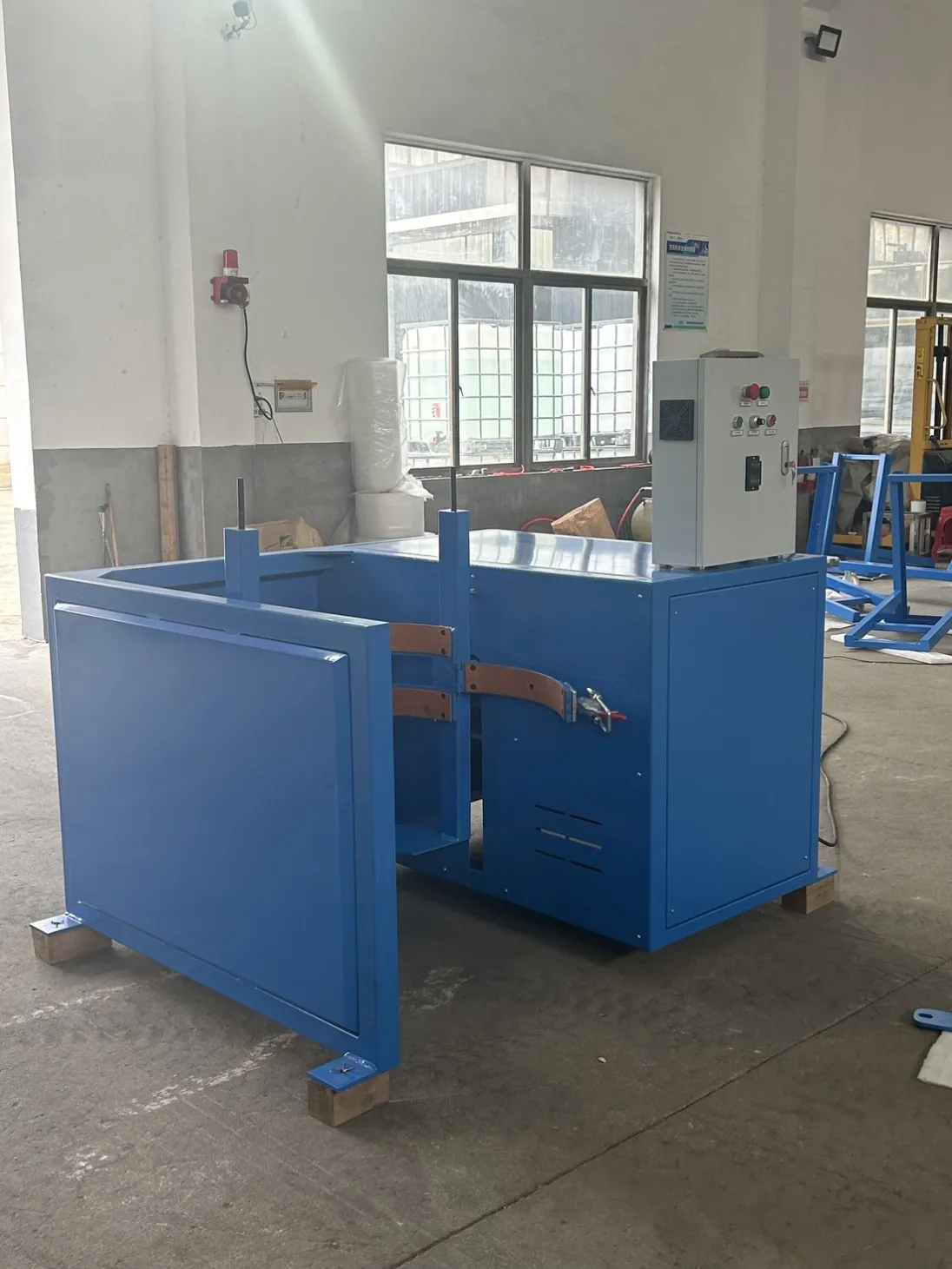
Carbon steel or stainless steel frames and enclosures where technically suitable; fixed or interlocked guarding and access gates subject to risk assessment; voltage, frequency and phase reviewed for the destination market and selected components.
Customer logos, machine colors, nameplates, instruction manuals and packaging by agreement, plus export packing arranged around machine dimensions and transport method.
We configure each machine around the actual container and production requirement rather than quoting one fixed specification. These are possible options, not a guarantee that every feature fits every configuration; final scope is documented in the approved project specification.
Example Equipment Configurations We Can Discuss
Single-container and two-container machines can support industrial mixing of compatible products in their closed shipping drums. Container shape, closure, loaded weight, fill level and material behavior must be reviewed before selecting the holding structure and mixing motion.
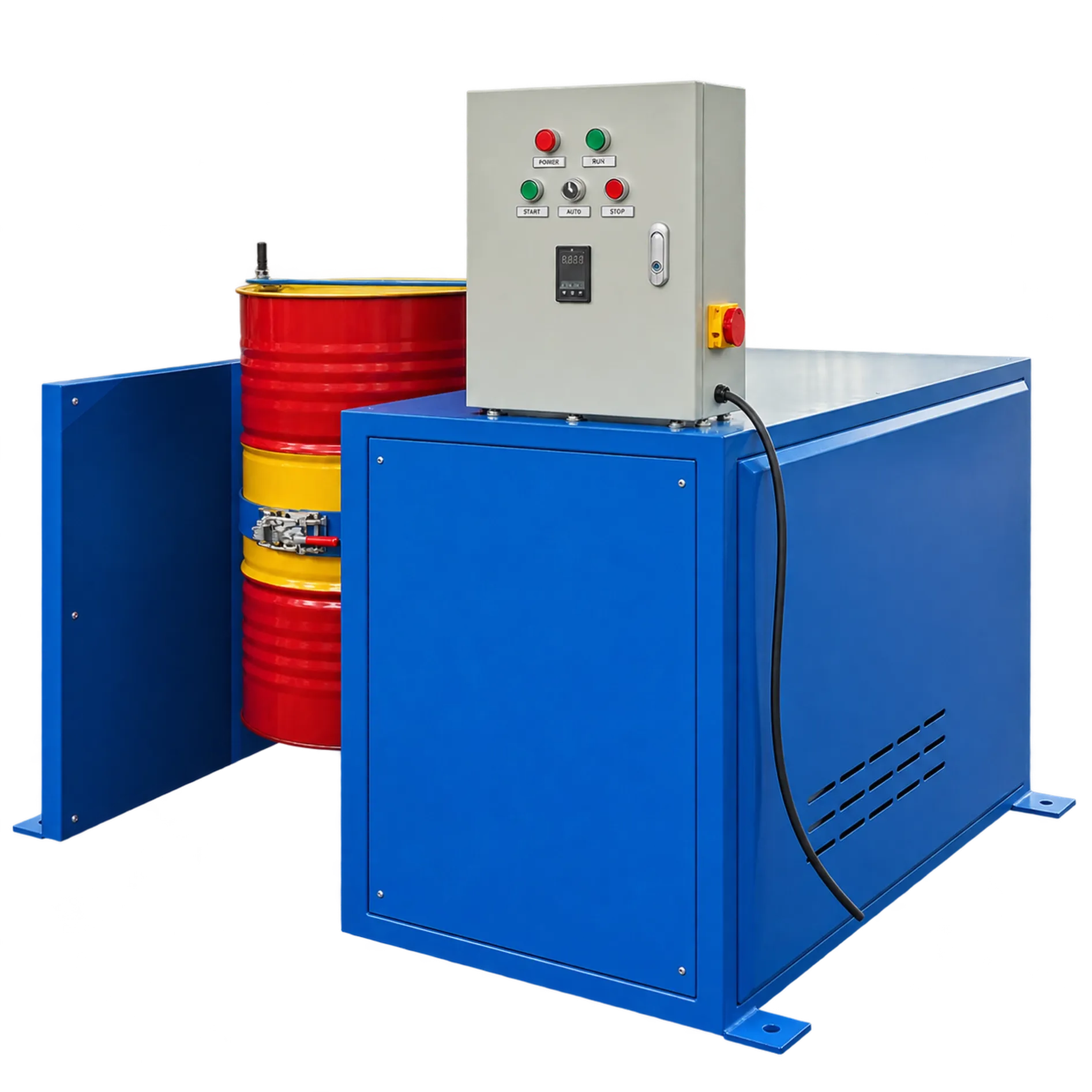
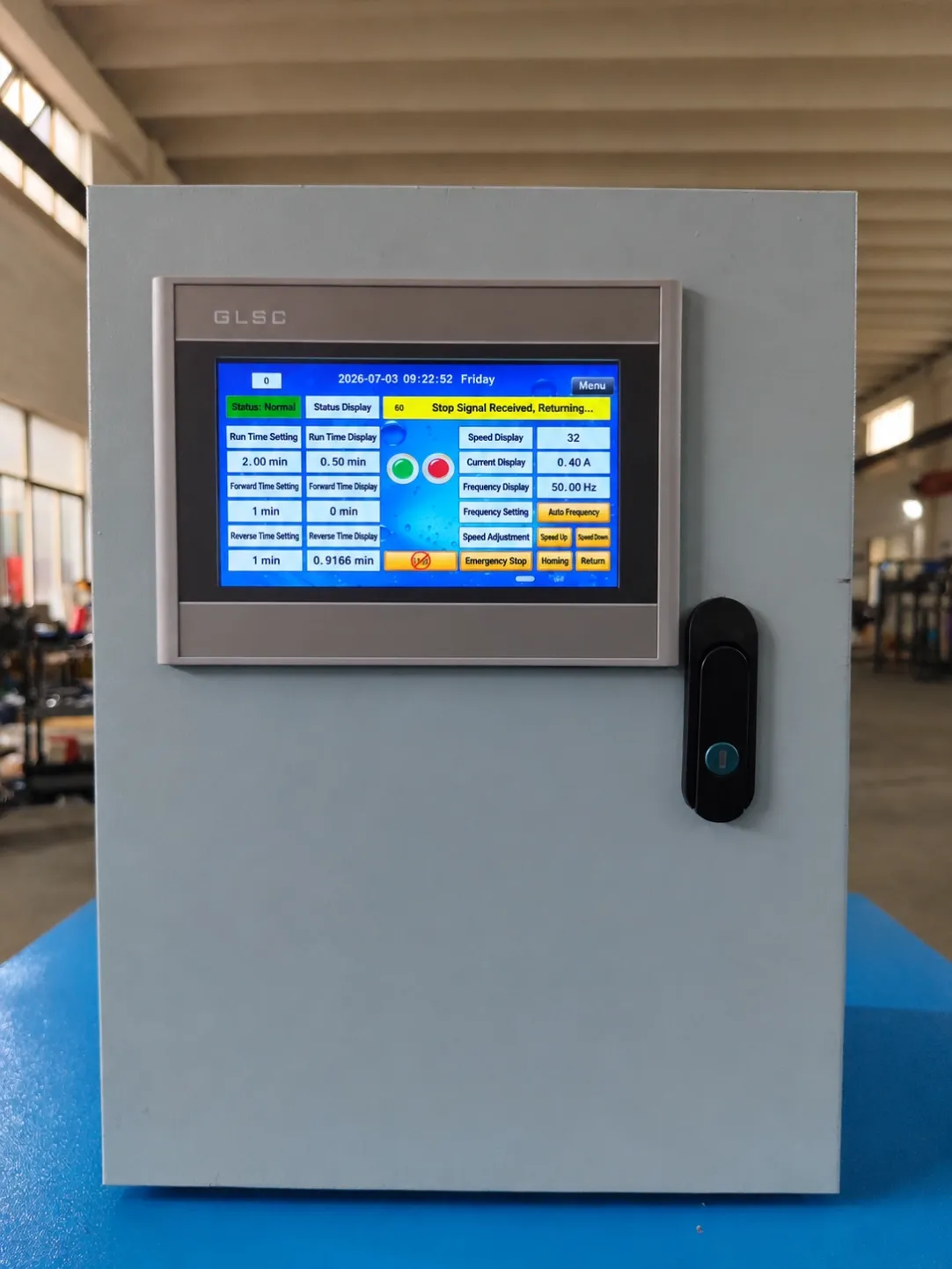
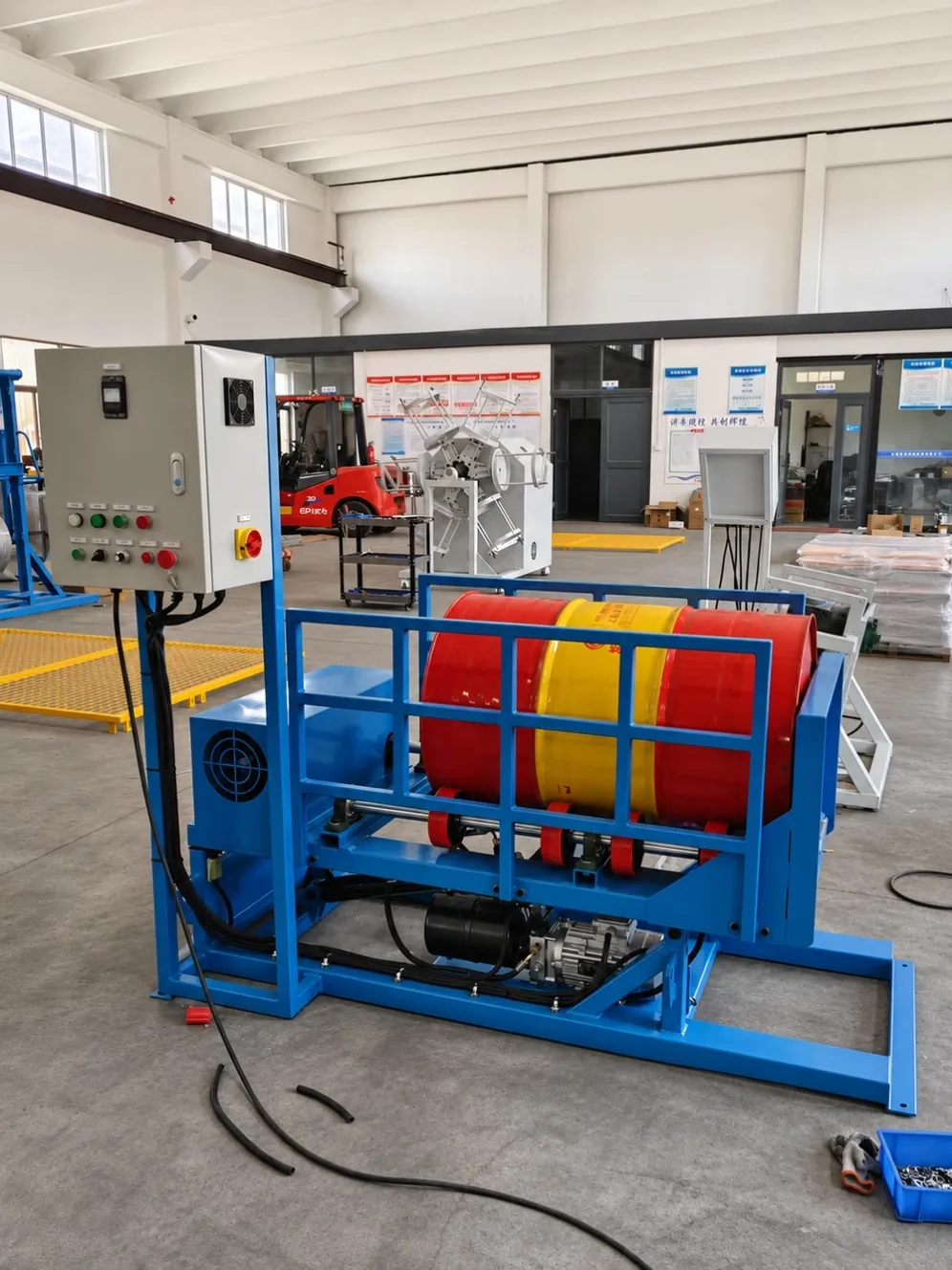
For suitable electric-drive systems, a customer-specific PLC and touchscreen HMI can provide an interface for configured speed settings, operating time, status information and other approved control functions.
Functions such as return-to-position require corresponding hardware, control logic and verification; they are not standard across the range.
Pneumatic drive, stainless steel housings, viewing windows and customized electrical controls can be considered for applications that require specific cleaning, corrosion-resistance or operating-environment provisions.
Equipment for potentially explosive atmospheres requires a project-specific hazardous-area assessment. A protected control box or air motor alone does not certify the complete machine.
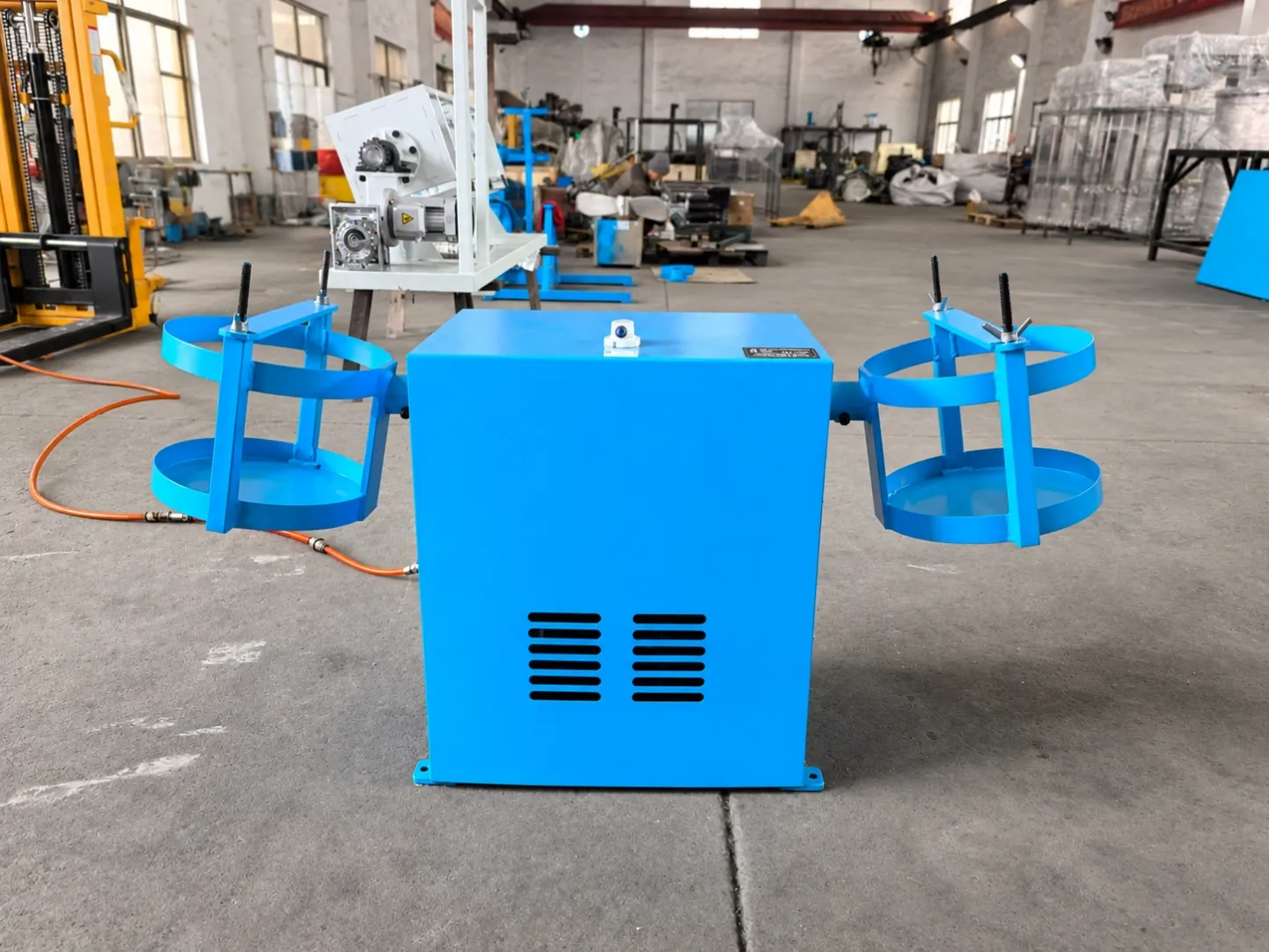
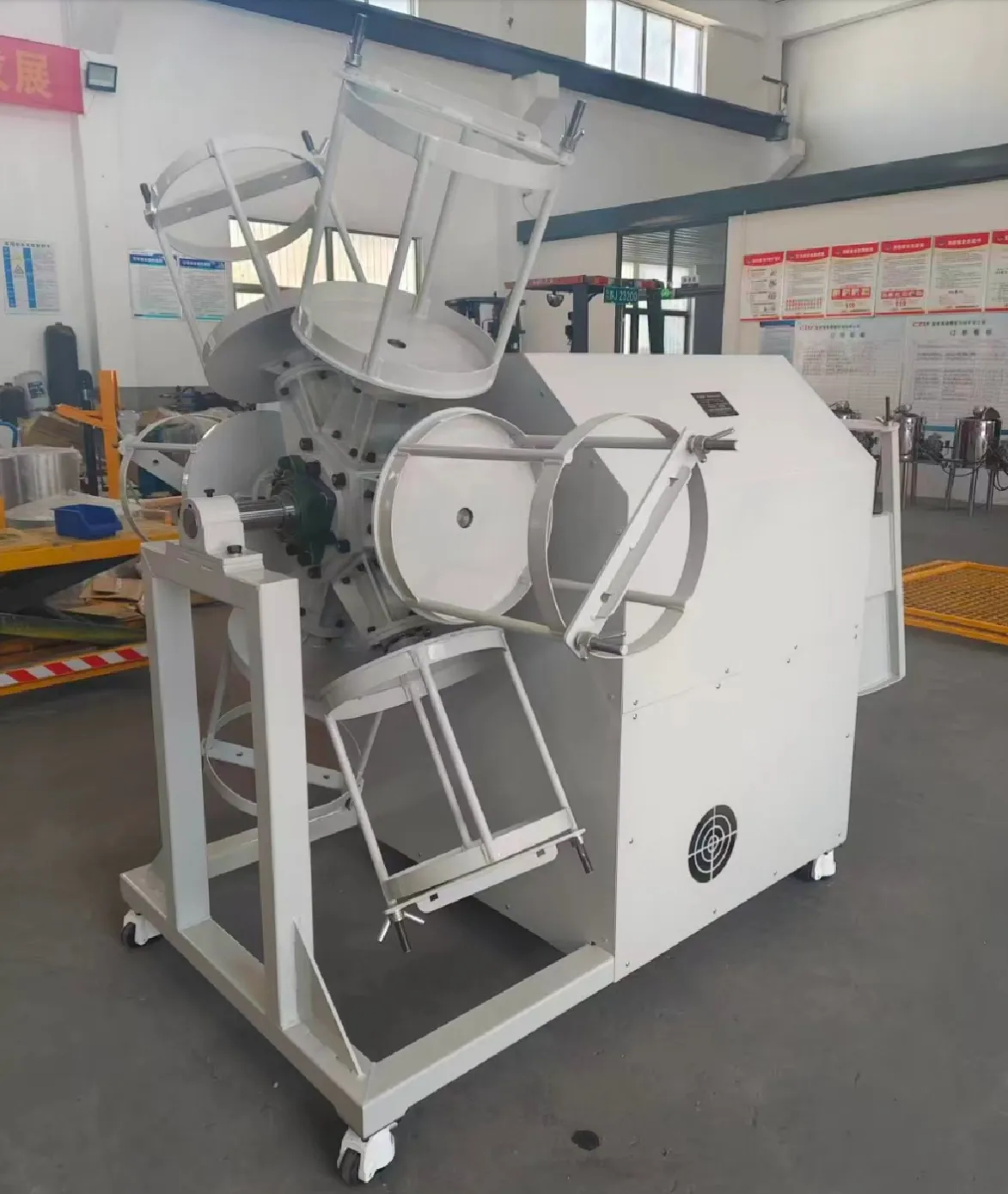
Purpose-built systems can combine several small-container holders with a larger-drum station when justified by the production process.
The number of stations, mixing motions, shared drive arrangements, simultaneous operation and safety requirements are established during engineering review—not assumed from a single reference photo. Explore our existing equipment categories through the Products page.
Industrial facilities may handle small pails and larger drums in the same operation. A suitably engineered tumbler range can address different container formats without forcing every customer into a single standard holder design.
End-over-end tumbling can redistribute suitable materials inside closed drums, reducing the need to transfer them into a separate mixing vessel. This can reduce handling and cleanup steps, but the mixing result depends on material properties, closure suitability, fill level and cycle conditions.
Importers may need equipment adapted to a destination country's electrical conditions, guarding expectations and user documentation. These requirements should be addressed before design approval, not deferred until shipment.
Repeat OEM supply can use agreed configurations, documentation and inspection criteria. Actual lead times, production capacity, quality arrangements and spare parts are established in the commercial agreement.
Tell us the intended country, user industry, container dimensions, material characteristics, expected order quantity and required machine function.
We discuss suitable mixing motion, load arrangement, drive, guarding, control and application limitations. For uncertain mixing behavior, a material or container trial may be necessary.
We define included equipment, exclusions, customization scope, documentation, estimated schedule and commercial assumptions.
The customer reviews the machine layout, key component specification, control requirements, brand treatment and agreed acceptance criteria.
Equipment is built and inspected against the approved scope. Available inspection records and any witness-testing arrangement are agreed per order.
The machine is protected for the selected transport method, with packing list and other agreed shipping documents.
Spare parts, technical guidance, warranty and responsibilities between manufacturer, importer and local distributor are defined in the supply agreement.
Quality, Safety and Destination-Market Compliance
A credible OEM partnership starts with a clear technical specification: container dimensions, filled load, operating speed, drive arrangement, guarding, controls and intended use.
Before shipment, both parties should agree on the inspections or tests needed to verify the supplied equipment.
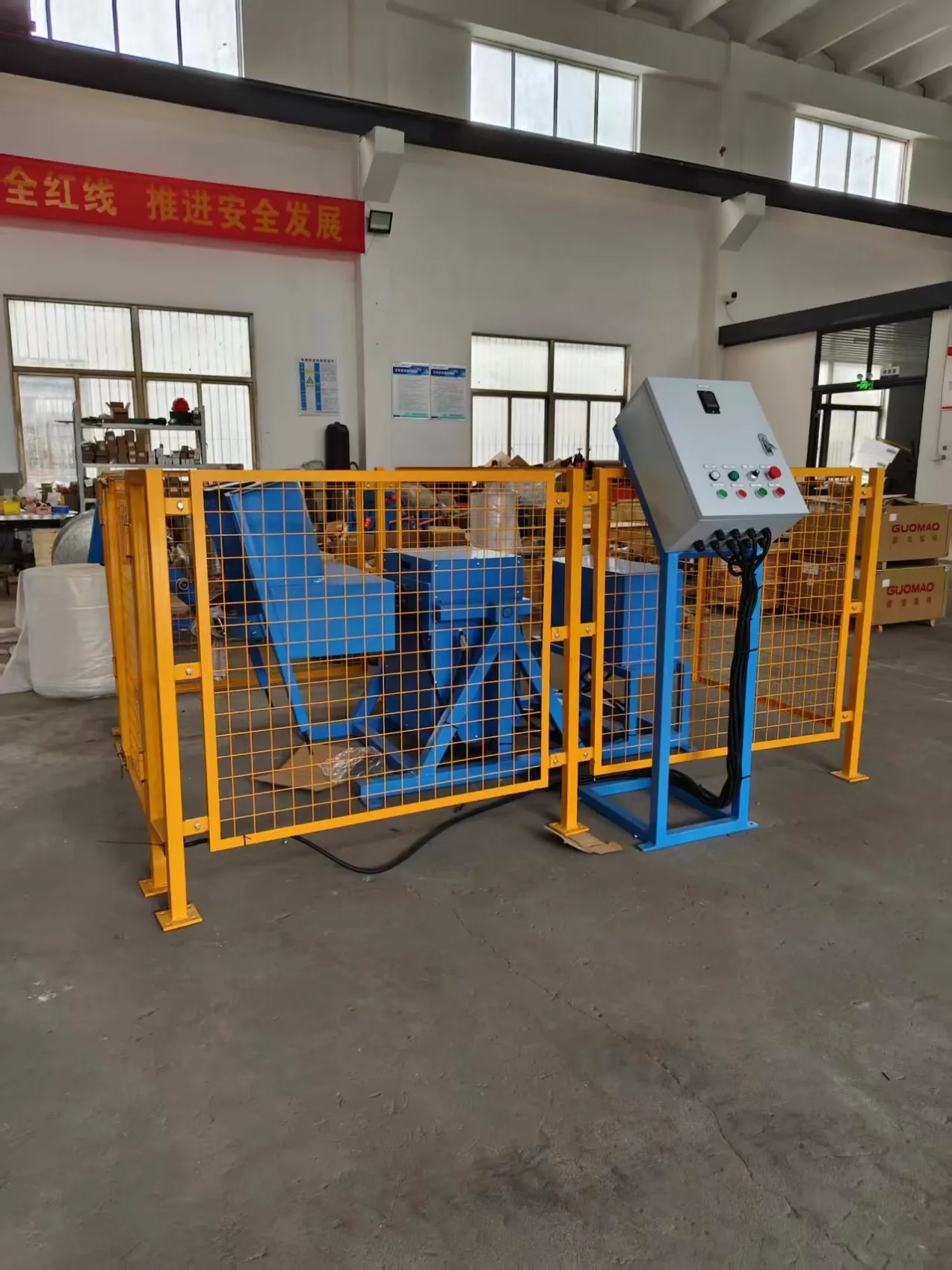
Depending on the machinery, an interlocked access gate or enclosure can be evaluated to reduce exposure to rotating components.
Requirements vary by country, machinery design, electrical components and installation conditions.
We can discuss project-specific configurations and conformity-assessment pathways, but no certification should be treated as included or obtained unless explicitly verified in the quotation and supporting documentation. A component certificate does not automatically certify the finished machine.
Depending on the agreed project, deliverables may include an instruction manual, component list, drawings, electrical documentation, inspection records, spare-parts recommendations and export documents.
The precise documentation package should be specified before the order is placed.
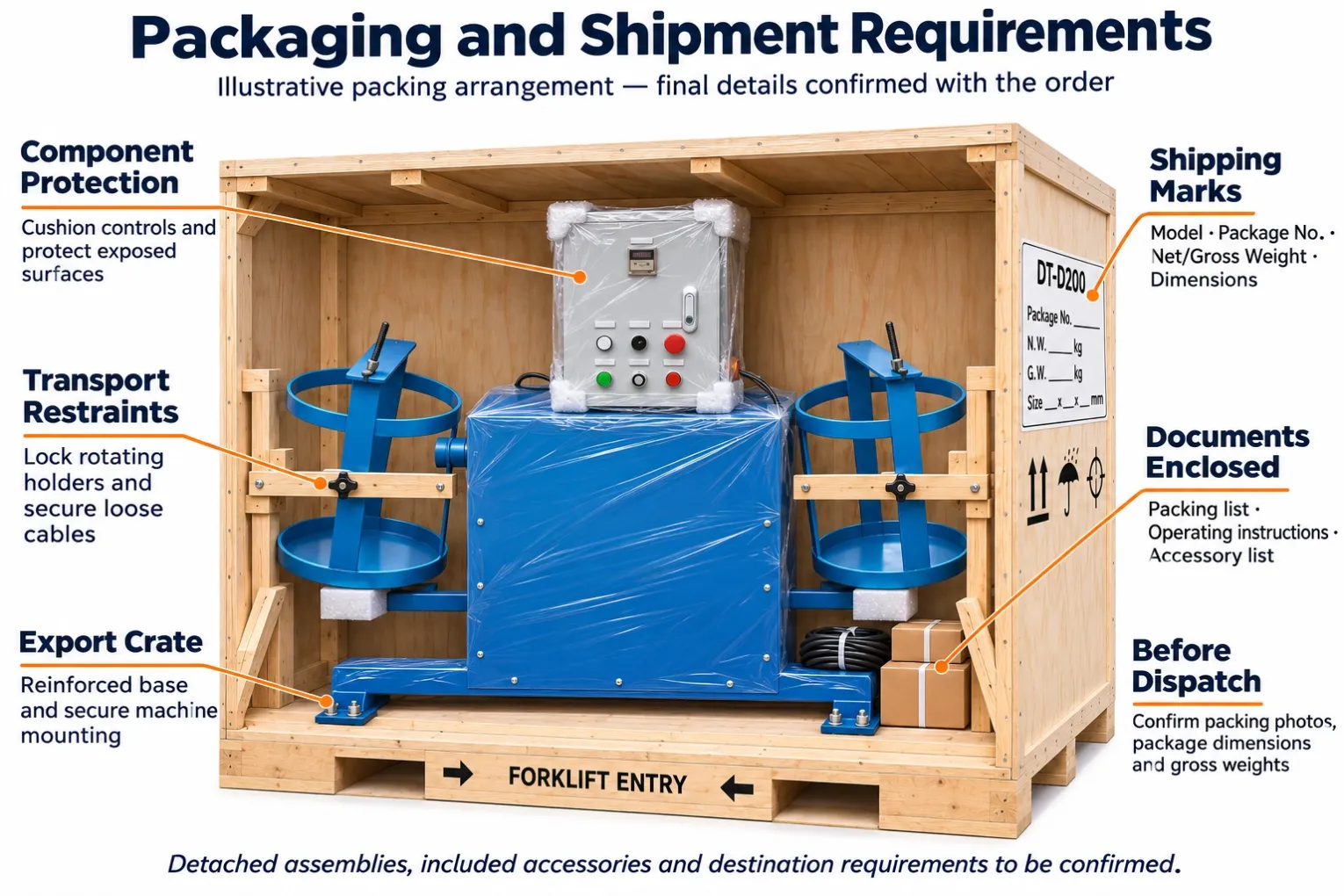
Packing is selected according to the machine configuration, size, weight, destination and shipping method. A proposed export packing plan can include:
A secured reinforced base or pallet to prevent movement during handling and transit. Protective export packing, including a suitable crate where required by the shipping route and order agreement.
Mechanical restraints for rotating holders, clamp assemblies, movable frames and other components that could shift during transport. Moisture, impact and abrasion protection for painted or stainless steel surfaces, controls, sensors, motors and accessories.
Separate identification and protective packing for any detachable safety fence, control stand or optional assemblies. Package labels, packing list and final verified package quantities, dimensions, net weights and gross weights for shipping coordination.
Final packing details are confirmed for each order. No fixed crate size, shipping weight or package count applies to every OEM/ODM machine.
Whether you are expanding an industrial equipment portfolio, launching your own drum tumbler brand or sourcing a machine built to your customer's process, share your requirements with DrumTumbler. For a more useful first proposal, include:
Company name, website and destination country; Business type: importer, distributor, equipment brand, wholesaler or integrator; Cooperation model: OEM, ODM, private label or distribution; Target drum types and dimensions; Material to be mixed, viscosity or other relevant characteristics
Expected order quantity or annual forecast, if known; Drive, controls, electrical supply and safety requirements; Branding, documentation and target-market compliance needs