What to check before you choose
If sedimentation is your main problem, start with three questions:
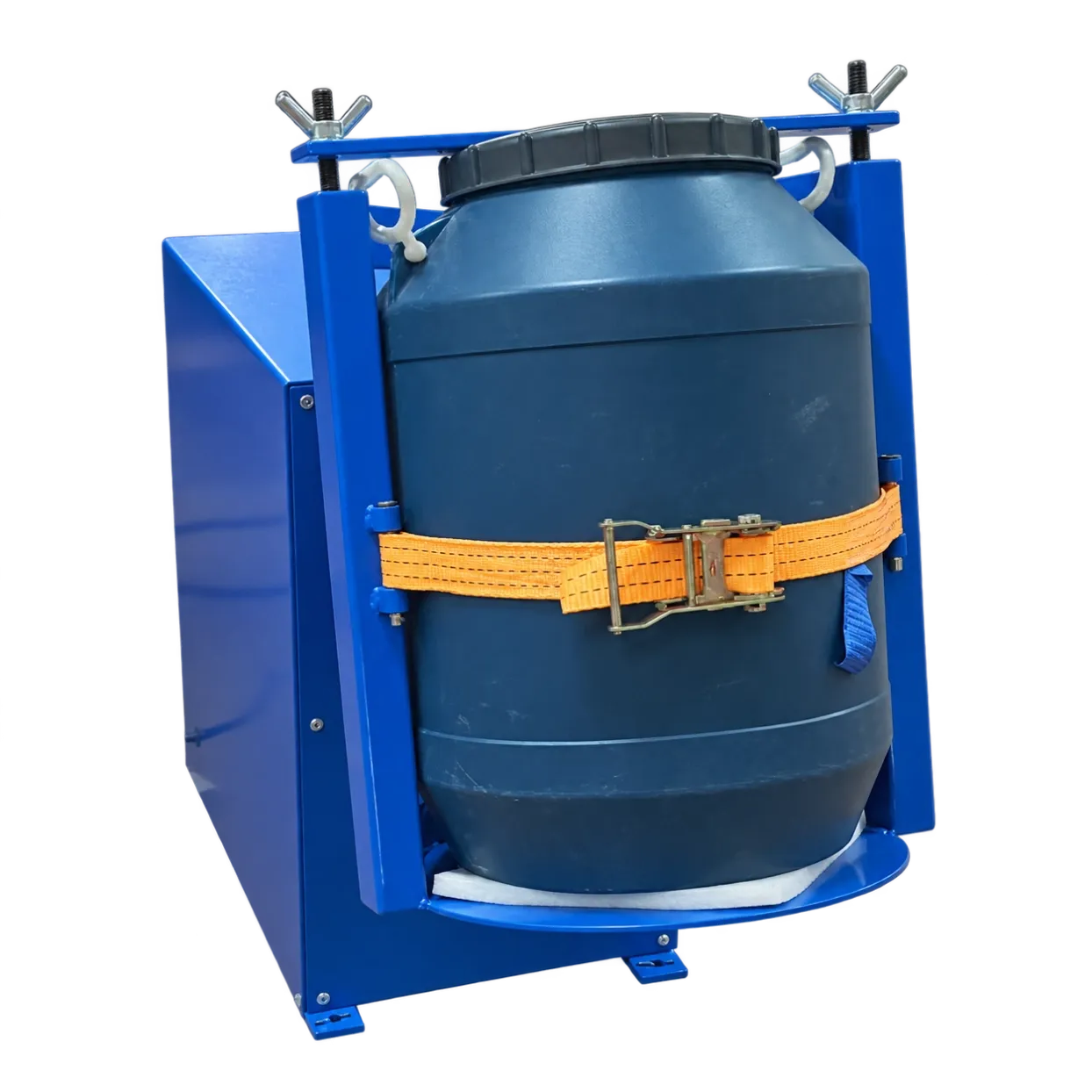
- What size and type of drum are you actually using?
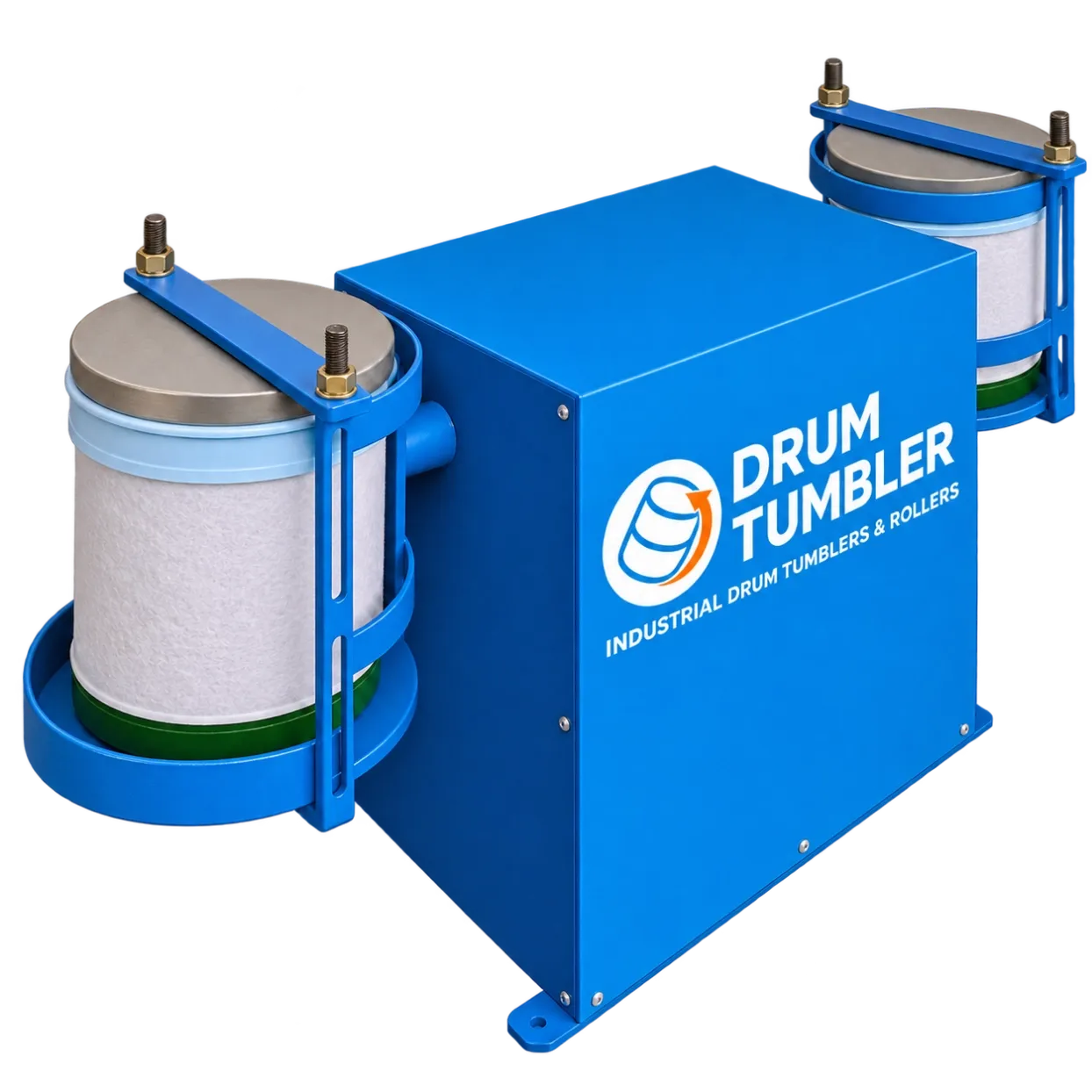
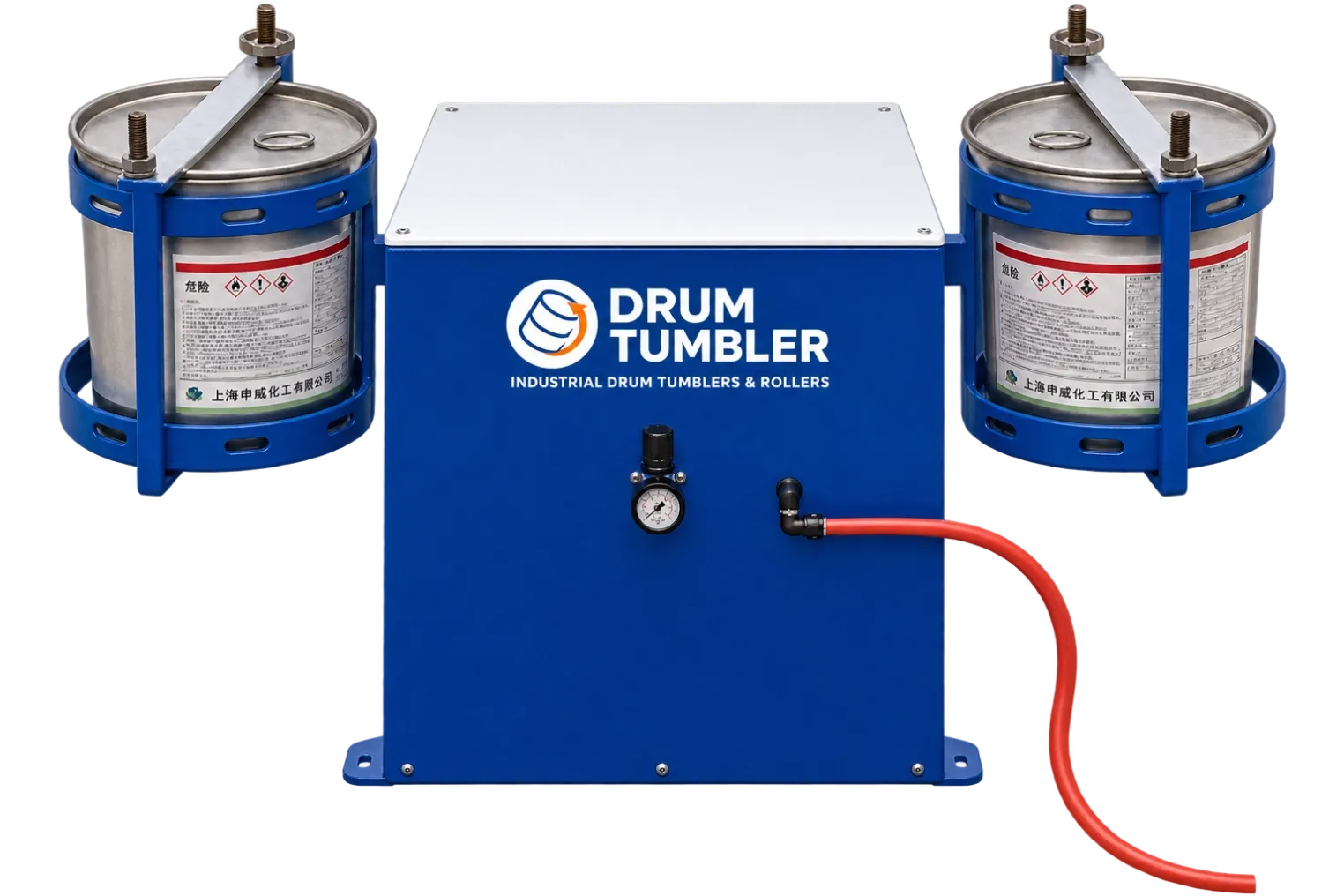
- Do you need to mix one drum at a time, or two?
- Does your working environment require an explosion-proof motor or other safety features?
Answering those three questions narrows the choice quickly, and avoids buying a mixer for a drum size or a safety requirement it was never meant to meet.
Sealed, uniform, contamination-free mixing is the core principle behind every DrumTumbler unit. It is a simple change in method — keep the drum closed — with a direct effect on batch consistency, cleaning time, and workplace safety.
What is the hardest material for your team to re-homogenize after it settles in the drum? That answer usually points straight to the right drum size and motion for the job.
Frequently Asked Questions
Can a drum tumbler mix paint or adhesive without opening the lid?
Yes. The drum is loaded and secured in its sealed state, then mixed inside the drum. There is no transfer to another container, no open stirring, and no mixer to clean afterward.
Why do paint and adhesive settle in the drum?
Heavier pigments and fillers sink while the drum sits still, so the top becomes thin and the bottom becomes thick. The longer the wait, the less uniform the batch becomes when it is used.
Which model should I use for a 200-litre drum?
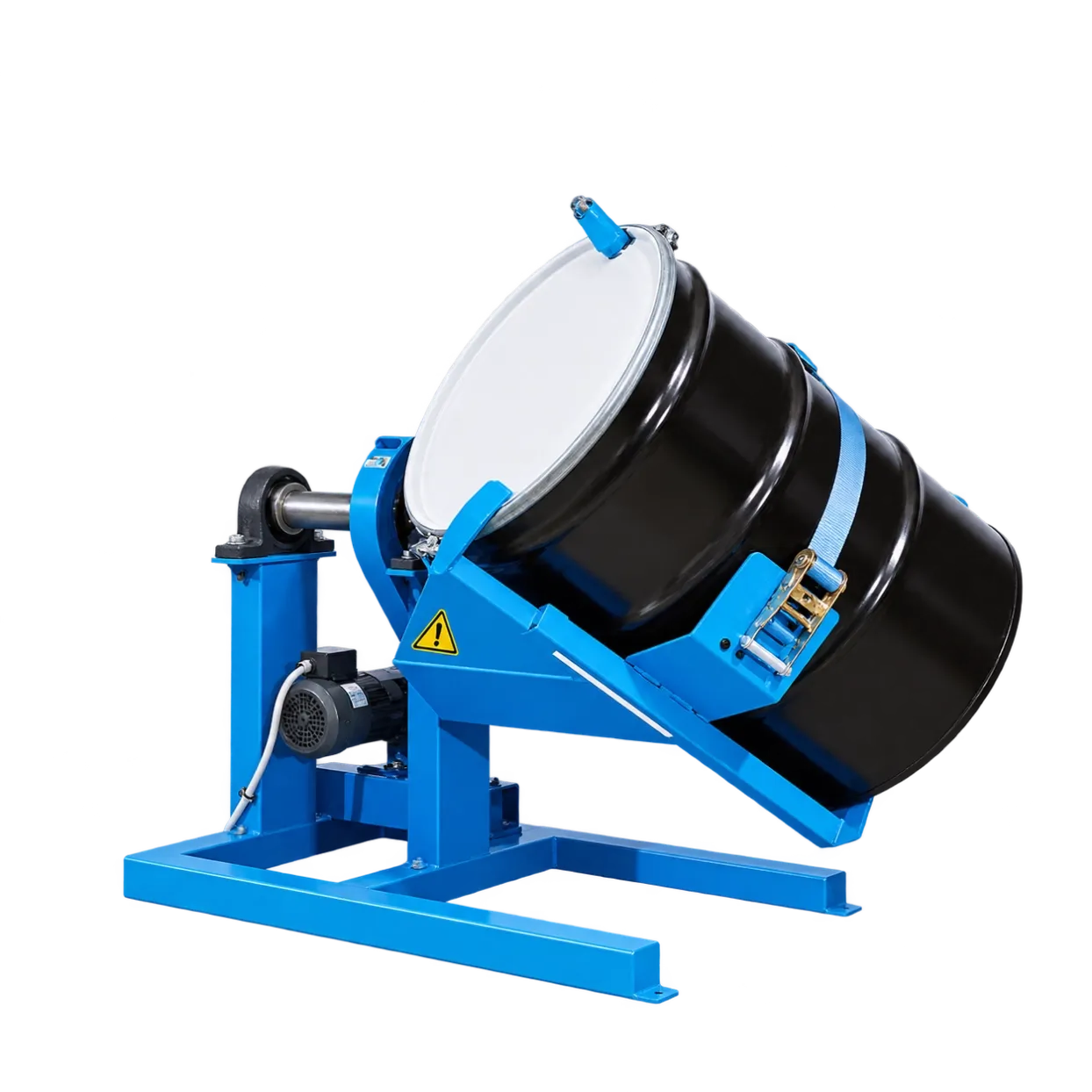
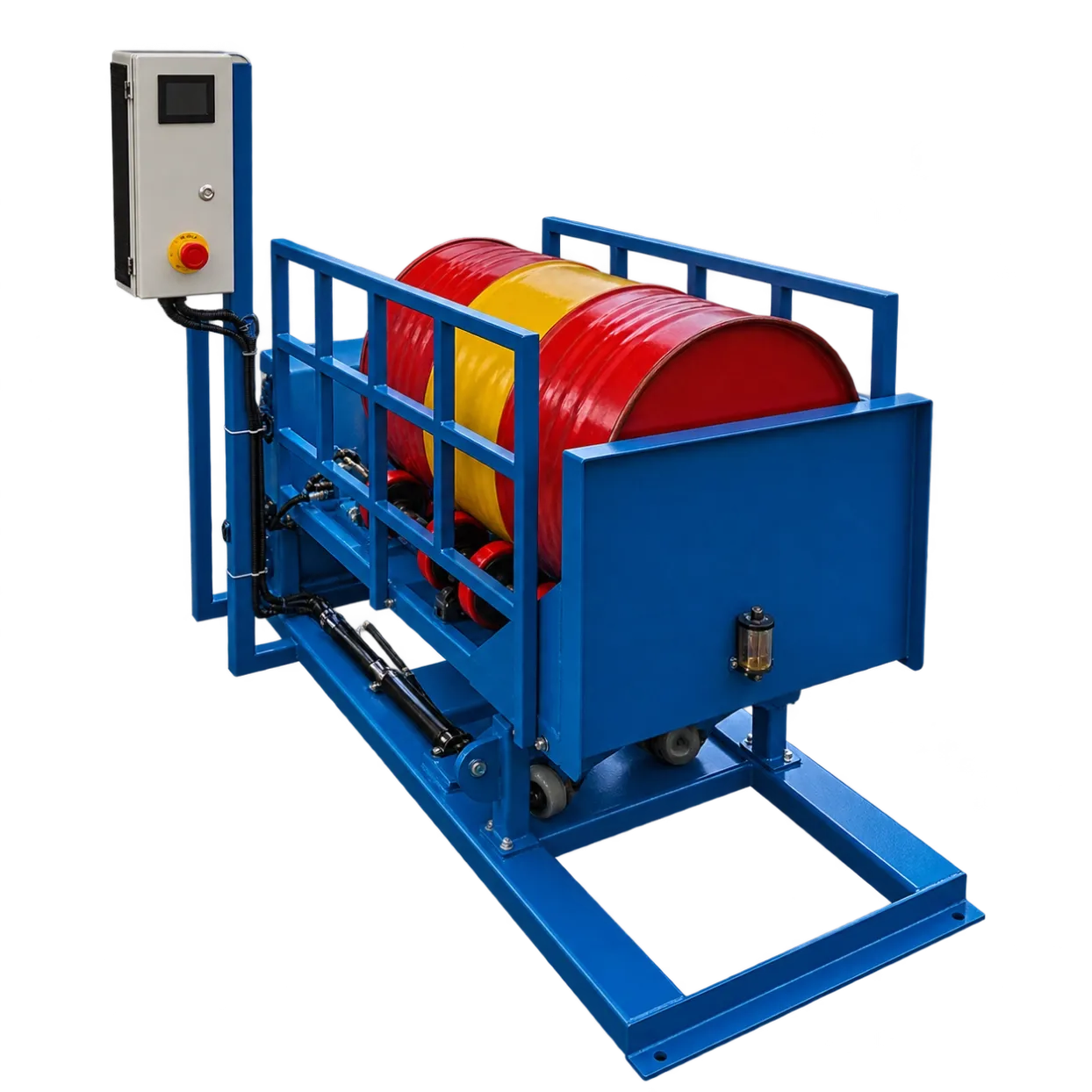
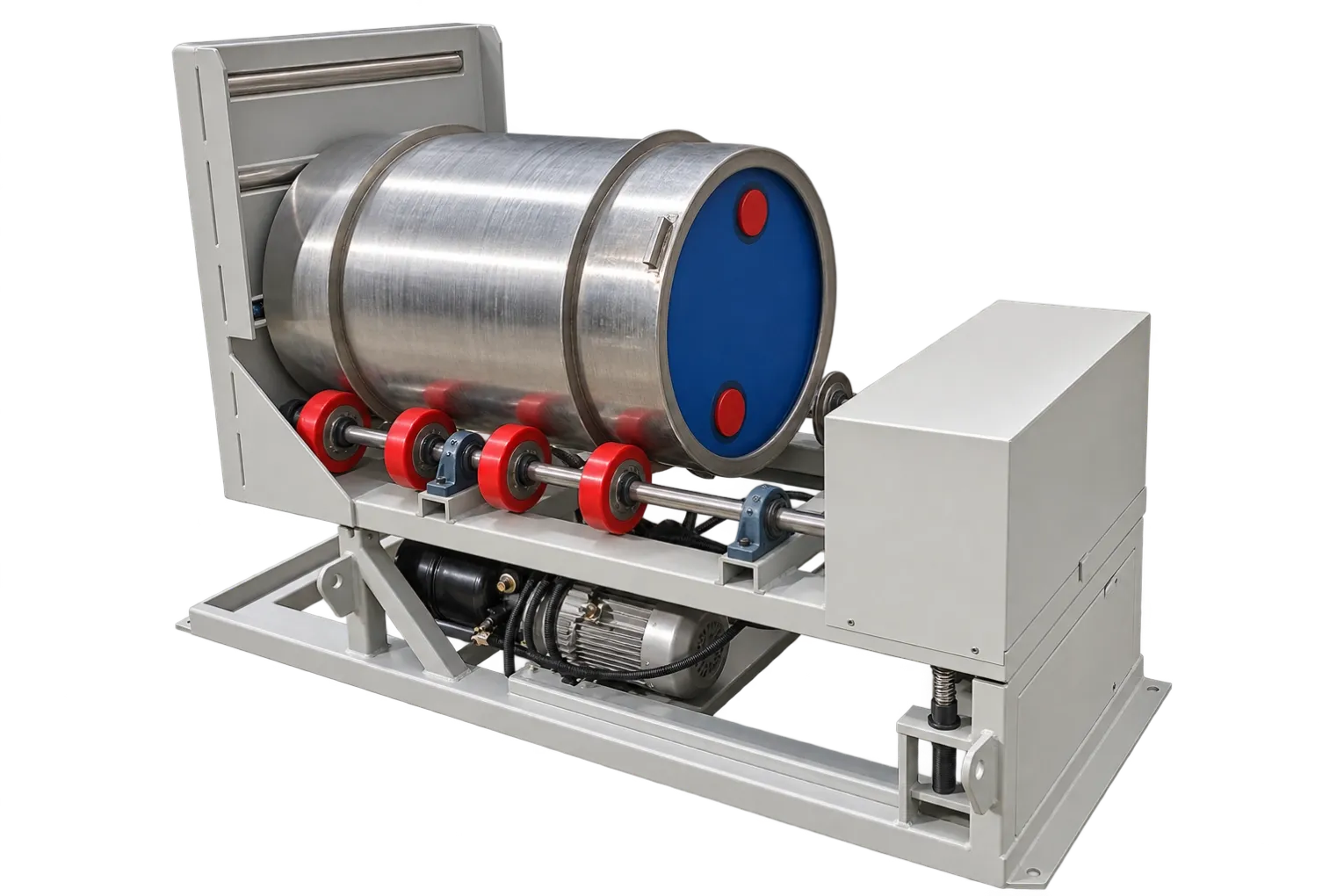
For one 200-litre drum, the DT-S200 is the single-drum tumbler, with tilt-to-load handling, corner-over-corner motion, a 1.5 kW (2 HP) motor, and 0–18 rpm adjustable speed. For two 200-litre drums at once, the DT-D200 uses the same motion, with a 3 kW motor and the same 0–18 rpm range.
Does sealed mixing change the formulation?
No. It does not add or remove anything. It re-homogenizes what is already in the drum, so the formulation stays as made and is protected from the contamination and cleaning steps that open mixing adds.